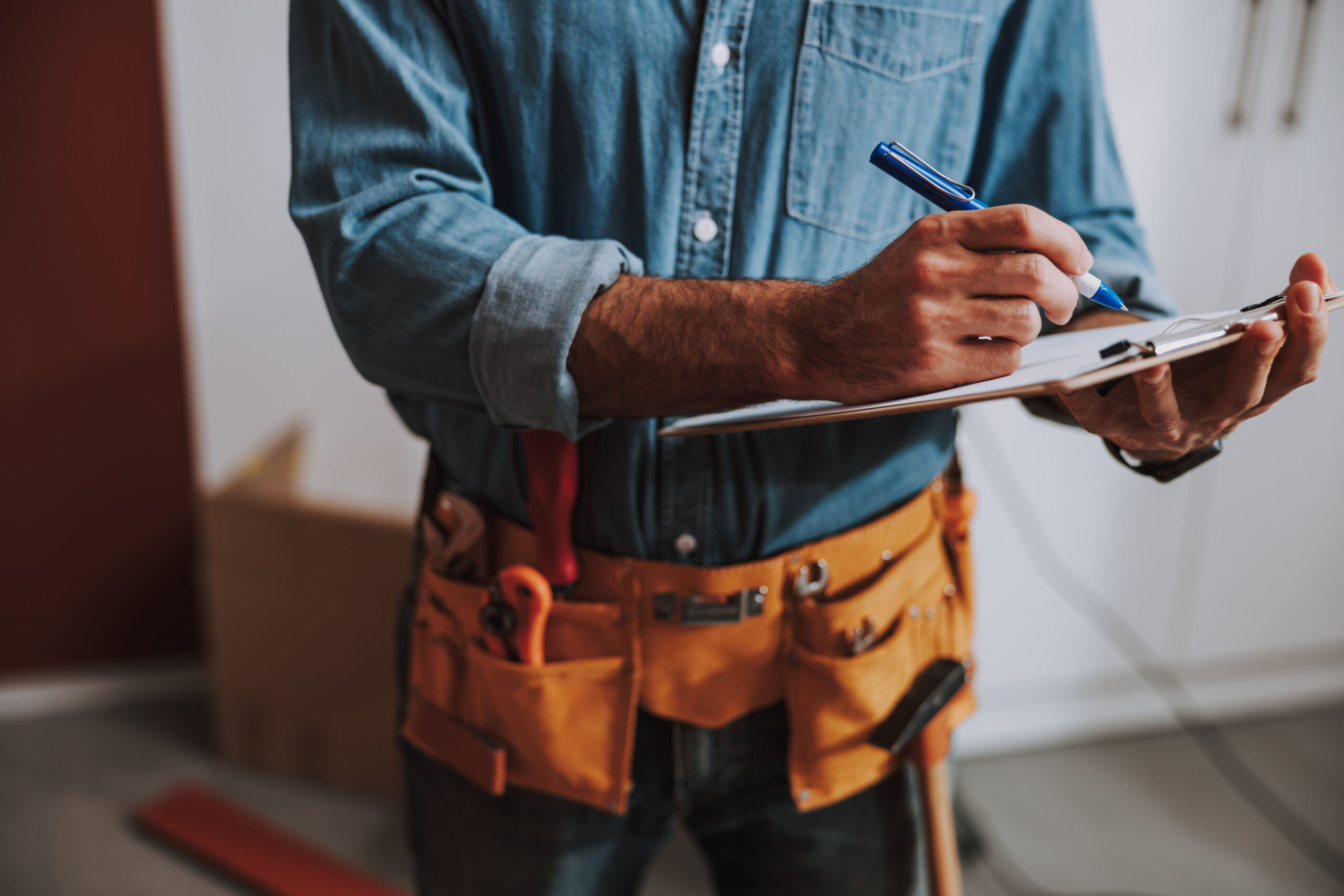
If you’re considering hiring a professional to help with home improvements projects, it’s important to do your research so you can avoid getting scammed.
Here are some red flags to look out for while you’re searching for a home contractor.
Signs of Home Improvement Scams
Typically, home improvement scammers will display similar behaviors. These behaviors might include:
- Door-to-door sales. It’s best to be skeptical of someone who shows up at your home without warning. Scammers will sometimes try to gain your trust by telling you they are working on some other homes nearby.
- Pushing for quick action. Scammers often try to get you to make decisions quickly, sometimes by mentioning limited-time offers and sales.
- Offering “too good to be true” pricing. A scammer might mention having surplus materials, but this could indicate they potentially did not finish a prior project.
- Insisting on upfront payment. While each contractor might have a different payment contract process you should never feel pressured to give the entire balance upfront.
- Only accept cash payments. Scammers often like to work with cash payments since they cannot be traced. If you do pay cash, make sure there is a contract and statement of work to protect you.
- Home Improvement Loan Scams. These scams can happen when a contractor offers financing through a third-party lender with high interest rates or fees. Always carefully read financing agreements, avoid leaving blank spots on contracts and make sure you know what you are signing.
Things to Consider When Hiring a Home Improvement Contractor
While these signs are great to pay attention to, sometimes scams may be a little harder to spot. There are a few steps you can take on your end, though, to help prevent these scams during your next home improvement project.
Read Reviews and Testimonials from Other Homeowners
Reviews are one of the best resources you can use when choosing a home contractor. Pay attention to common themes among reviews, such as consistent pricing, meeting deadlines and effective communication. Many review platforms such as Google or Yelp will allow customers to include photos, so you can see proof of similar projects a contractor has completed before.
Get Recommendations from People You Know
What’s better than online reviews? Word of mouth referrals! Reach out to friends, family and neighbors to see if they have any recommendations. This will also allow you to compare costs and ask in-depth questions about their experience.
Work With Licensed & Insured Contractors
A good contractor is licensed & insured to protect their work and your home. Accidents happen, and working with a licensed and insured contractor proves their professionalism and protects you if damage takes place. You can confirm proof of a license with your state or county officials, and you have every right to ask a contractor for their proof of insurance.
Thoroughly Read Your Contract
Your contract protects you, your home and your finances. Take time to read it from beginning to end, ask questions and request changes. Any dollar amounts, payment due dates, project deadlines and specific materials requested should be listed in your contract.
Your contract should include any promises made during the quote process as well as the contractor’s information, such as name, phone number, license number and address. In addition to this, you should also request a right to cancel clause.
This can protect your finances if you end up having buyer’s remorse, often the result of high-pressure sales tactics. This is federally protected by the Federal Trade Commission’s Cooling-Off rule. This gives consumers 3 days to cancel a sale depending on where it was conducted and a few other factors, like the cost of the service.
What to Do If You Think You Are a Part of a Home Improvement Scam
Many times, contractors might have a misunderstanding with you, or projects might experience a delay due to supply chain issues or inclement weather. Try discussing the issue with your contractor and see if it can be resolved between the two of you. Keep track of contracts, letters and receipts throughout your project. If you think the problem requires escalation and help from a third party, contact your local officials such as a consumer protection office or a state attorney general.
As always, be careful when releasing personal information regarding your finances. Pay attention to bank statements and ensure that charges are coming out of your account correctly. Be safe and stay aware, but most of all know that you should always feel in control of your home improvement projects.